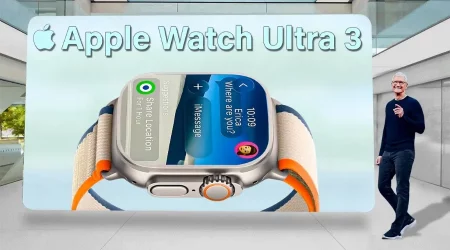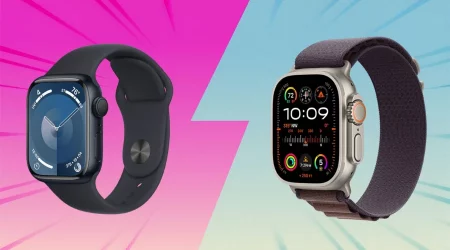





Technology is becoming more personal than ever before. In 2026, AI wearable devices are expected to completely change how people interact with fitness, healthcare, communication, and even daily productivity. From smart glasses powered by artificial intelligence to health-tracking rings that can predict illness before symptoms appear, the wearable tech industry is entering a new era.
Major companies like Apple, Samsung, Google, and Meta are investing billions into AI-powered wearable technology. Experts believe 2026 could become the biggest year yet for smart wearable innovation.
What Are AI Wearable Devices?
AI wearable devices are smart gadgets designed to be worn on the body while using artificial intelligence to provide personalized insights and automation. Unlike traditional wearables that simply collect data, AI-powered devices can analyze information in real time and respond intelligently.
Popular categories include:
- Smartwatches
- AI-powered smart glasses
- Health monitoring rings
- Fitness bands
- Smart earbuds
- AI clothing and biometric sensors
These devices combine sensors, cloud computing, and machine learning algorithms to improve user experiences and make technology more proactive.
Why AI Wearables Will Dominate 2026
The global demand for wearable technology continues to rise because people want devices that are faster, smarter, and more health-focused. Several trends are expected to drive the wearable tech boom in 2026.
Advanced Health Monitoring
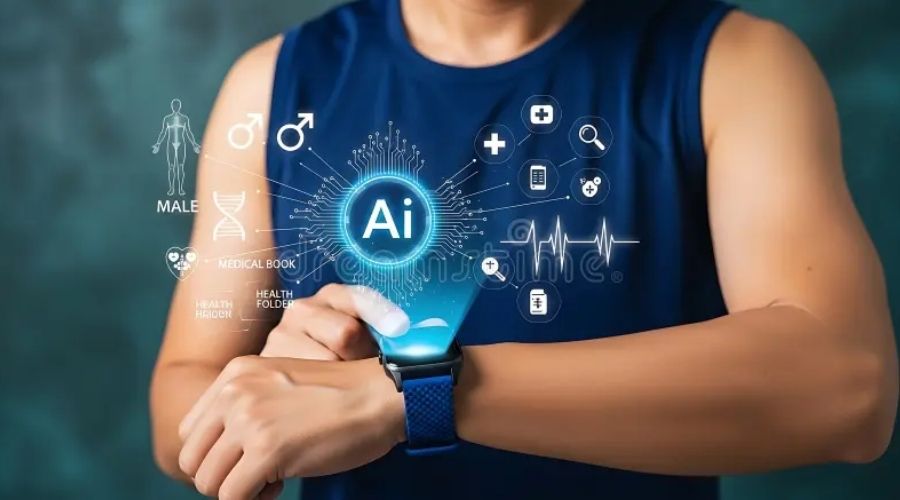
Future wearables may detect stress, fatigue, dehydration, irregular heart activity, and even early signs of diseases. Companies are focusing heavily on preventative healthcare powered by AI.
Smart rings and watches could soon offer:
- Blood pressure monitoring
- Non-invasive glucose tracking
- Sleep quality prediction
- Personalized wellness recommendations
- Real-time mental health insights
Healthcare experts believe AI wearables could reduce hospital visits by helping users manage health issues earlier.
AI Smart Glasses Are Making a Comeback

One of the biggest expected trends in 2026 is the return of AI smart glasses. Earlier attempts failed because of limited technology and privacy concerns, but new AI advancements are changing everything.
Modern smart glasses may include:
- Live language translation
- Navigation overlays
- AI assistants
- Real-time notifications
- Augmented reality experiences
- Hands-free video recording
Companies are racing to create lightweight smart glasses that look stylish while functioning like mini computers.
Wearables and Productivity

AI wearables are also expected to improve workplace productivity. Smart earbuds and AI assistants may summarize meetings, schedule tasks automatically, and provide real-time reminders.
Professionals working remotely could benefit from wearable devices that:
- Reduce screen dependency
- Improve time management
- Track focus and productivity levels
- Assist with virtual collaboration
This could redefine how people work in offices and remote environments.
Privacy and Security Challenges
As wearable devices collect more personal data, privacy concerns will become increasingly important. Users are expected to demand stronger security protections and transparency from tech companies.
Key concerns include:
- Health data privacy
- Location tracking
- AI surveillance risks
- Data sharing practices
Tech companies will likely introduce stronger encryption and on-device AI processing to improve privacy protection.
Sustainability in Wearable Technology
Consumers are becoming more environmentally conscious, and wearable brands are responding by developing sustainable devices.
Expected sustainability trends in 2026 include:
- Recycled materials
- Longer battery life
- Solar-powered wearables
- Eco-friendly packaging
- Repairable device designs
Sustainability may become a major selling point for wearable brands.
The Future of AI Wearables

Experts predict that wearable technology could eventually replace smartphones for many daily tasks. Instead of constantly looking at screens, users may interact with AI through voice commands, gestures, and augmented reality displays.
Future AI wearables may become deeply integrated into healthcare, education, fitness, entertainment, and smart homes.
The wearable technology market is evolving rapidly, and 2026 is shaping up to be a major turning point for the industry.
Conclusion
AI wearable devices in 2026 are expected to become smarter, more personalized, and more integrated into everyday life. From advanced health tracking to AI-powered smart glasses, the future of wearable technology looks incredibly promising.
As artificial intelligence continues to evolve, wearable devices may transform how people work, communicate, travel, and manage their health. The next generation of wearable tech could make daily life more connected, efficient, and intelligent than ever before.