
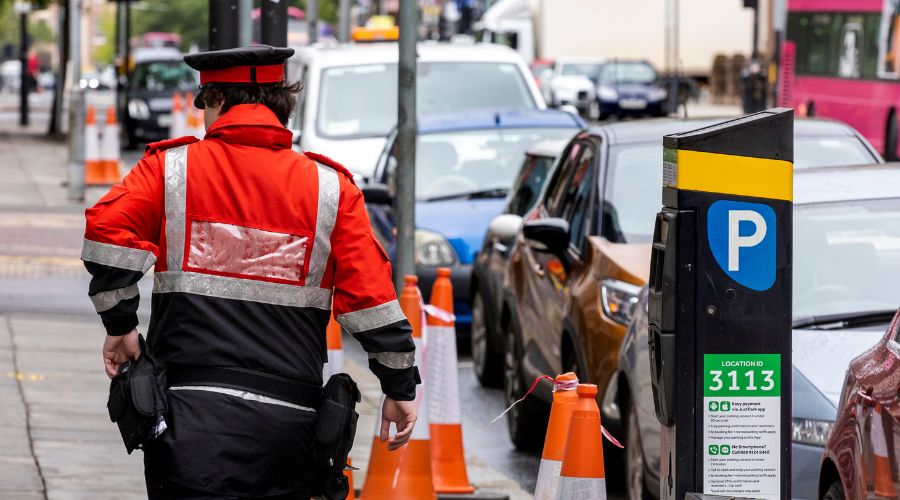

Few things ruin a day faster than returning to your vehicle and finding a parking ticket stuck to the windscreen.
Unfortunately, that’s becoming an increasingly expensive mistake for UK drivers.
Across London and many other parts of the UK, parking penalties have risen significantly in recent years, with some motorists now facing fines of up to £160 for a single contravention. In London alone, millions of Penalty Charge Notices (PCNs) are issued every year, and enforcement has become stricter as councils work to manage congestion, improve road safety, and keep traffic moving.
The good news?
Most parking fines are completely avoidable.
Whether you’re commuting into a busy city centre, attending an event, travelling to the airport, or visiting a new area, understanding parking rules and securing a legitimate parking space before you arrive can dramatically reduce your risk.
In this guide, we’ll explain:
- How parking fines work in the UK
- The latest parking fine amounts in 2026
- The difference between council and private parking notices
- Your appeal rights
- The smartest strategy for avoiding fines altogether
Most importantly, we’ll show how pre-booking a verified parking space through JustPark can help eliminate the uncertainty that often leads to expensive parking mistakes.
Why UK Parking Fines Are Increasing
Parking enforcement has become a major focus for local authorities.
Councils argue that parking restrictions help:
- Reduce congestion
- Improve traffic flow
- Protect pedestrians
- Ensure access for emergency vehicles
- Prevent illegal parking in residential areas
To maintain deterrence, many London boroughs increased parking penalty levels, with higher-level contraventions now reaching £160 in Band A areas and £140 in Band B areas. Less serious parking offences can still result in penalties of £110 or £90 depending on the location. Early payment discounts generally reduce the charge by 50%.
For drivers, however, the result is simple:
A small parking mistake can become an expensive lesson.
Common Reasons Drivers Receive Parking Fines
Understanding the most common causes is one of the easiest ways to learn how to avoid parking fines UK drivers frequently encounter. While many motorists assume fines are issued only for obvious violations, a large number of penalties result from simple oversights, unclear signage, or last-minute parking decisions. Knowing where drivers most often go wrong can help you avoid costly mistakes and enjoy a stress-free journey.
Parking on Double Yellow Lines
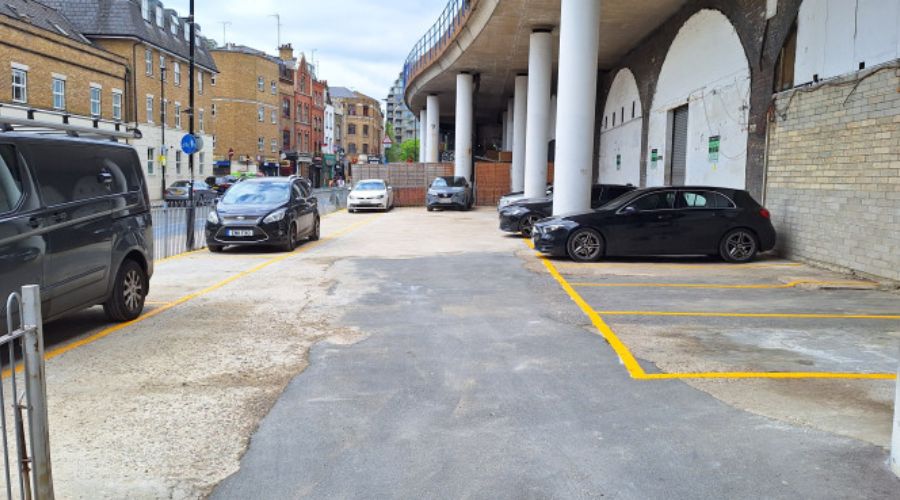
Double yellow lines indicate that waiting is prohibited at any time, regardless of the day or hour. Many drivers mistakenly believe they can stop briefly to run a quick errand or pick something up, but enforcement officers may issue a Penalty Charge Notice even for short stops. While certain exemptions may apply for activities such as loading or unloading in specific circumstances, these are often misunderstood and subject to strict conditions. If you’re unsure whether stopping is permitted, it’s always safer to find a designated parking space.
Overstaying Time Limits
Many motorists underestimate how closely parking durations are monitored. Local authority car parks, pay-and-display bays, and private parking facilities increasingly use cameras, sensors, and digital payment records to track arrival and departure times. Even exceeding the permitted stay by a few minutes can result in a fine or parking charge notice. This commonly happens when drivers underestimate how long appointments, shopping trips, or events will take. Setting reminders and extending sessions where possible can help avoid unexpected penalties.
Parking Without Payment
Forgetting to pay for parking remains one of the most common reasons drivers receive fines. However, it’s not always a simple case of non-payment. Entering the wrong vehicle registration number, selecting the wrong parking zone, using an expired payment session, or experiencing issues with a parking app can also trigger enforcement action. Many drivers assume that making an honest mistake will automatically result in leniency, but enforcement systems often operate based on recorded data rather than intent.
Parking in Permit-Only Zones
Residential permit parking schemes have become increasingly common across UK towns and cities, particularly in areas near transport hubs, shopping districts, and stadiums. These zones are designed to prioritise parking for local residents and authorised visitors. Drivers unfamiliar with the area may park legally during one part of the day only to discover that permit restrictions apply during certain hours. Carefully checking signs before leaving your vehicle is essential, especially in urban neighbourhoods where restrictions can vary from one street to the next.
Misunderstanding Signage
Parking signs can sometimes be complex, particularly in busy city centres where multiple restrictions may apply simultaneously. Temporary roadworks, event-day controls, school-zone restrictions, seasonal regulations, and controlled parking zones can easily confuse drivers who are unfamiliar with the area. In many cases, motorists receive fines because they only read part of a sign or fail to notice additional conditions displayed nearby. Taking a few extra moments to review all parking information can save significant costs later.
Using Unofficial Parking Locations

When legal parking spaces are scarce, some drivers take risks by parking in areas that appear available but are actually privately managed. Many private car parks use Automatic Number Plate Recognition (ANPR) technology to record vehicle entry and exit times. If a driver exceeds the permitted stay, fails to register their vehicle correctly, parks outside a marked bay, or breaches any site conditions, a Parking Charge Notice may be issued automatically. These notices can arrive days or even weeks after the visit, catching drivers by surprise.
Parking Near Dropped Kerbs, Junctions, or Restricted Areas
A vehicle does not always need to be parked on a yellow line to receive a penalty. Parking too close to a dropped kerb, pedestrian crossing, bus stop, school entrance, junction, or cycle lane can also result in enforcement action. These restrictions are designed to maintain visibility, accessibility, and safety for all road users. Drivers who are unfamiliar with local regulations often assume a space is legal simply because there are no visible yellow lines, only to discover that other parking rules apply.
Assuming Weekend or Evening Rules Don’t Apply
A common misconception is that parking restrictions only apply during weekday business hours. In reality, many towns and cities enforce restrictions during evenings, weekends, and public holidays. Event venues, entertainment districts, and residential zones frequently have special parking controls outside traditional working hours. Drivers should never assume that restrictions have ended without checking the relevant signage.
Rushing to Find Parking at the Last Minute
Many parking fines occur because drivers are under pressure. Running late for a meeting, train, flight, concert, or appointment often leads to rushed decisions and overlooked restrictions. When legal parking is difficult to find, motorists may settle for a space without fully checking the rules. This is one of the strongest arguments for planning ahead and securing parking before travelling. Having a guaranteed space removes uncertainty and significantly reduces the risk of receiving a fine.
Not Checking Local Parking Rules Before Visiting a New Area
Every council and parking operator may have slightly different rules, enforcement methods, and restrictions. Drivers visiting unfamiliar locations often assume parking regulations are similar to those in their home area. Unfortunately, this assumption can lead to costly mistakes. Researching parking options in advance and using trusted parking platforms can help avoid unexpected restrictions and ensure a smoother journey.
By understanding these common pitfalls, drivers can make more informed parking decisions and greatly reduce their chances of receiving a parking fine. In many cases, the simplest way to avoid these issues altogether is to plan ahead and reserve a legitimate parking space before arriving at your destination.
Council PCNs vs Private Parking Charges: Know the Difference
One of the biggest areas of confusion involves understanding what type of notice you’ve received.
Council Penalty Charge Notices (PCNs)
A council-issued PCN is issued under traffic management regulations.
These notices are commonly issued for:
- Parking violations
- Bus lane offences
- Restricted road use
- Moving traffic contraventions
Failure to pay can ultimately lead to enforcement action and additional charges.
Private Parking Charge Notices
Private parking operators issue Parking Charge Notices when they believe drivers have breached the terms of a private car park.
Examples include:
- Exceeding time limits
- Failing to register a vehicle
- Parking outside marked bays
- Not purchasing a valid ticket
Unlike council penalties, these are generally contractual charges rather than statutory fines.
Understanding your private parking charge notice rights is important because appeal procedures differ significantly between public and private operators.
How Much Is a Parking Fine in London in 2026?
One of the most searched questions among UK motorists is:
How much is a parking fine London drivers can expect in 2026?
Current London parking penalties are:
| Contravention Type | Amount |
| Higher-Level Band A | £160 |
| Lower-Level Band A | £110 |
| Higher-Level Band B | £140 |
| Lower-Level Band B | £90 |
Most councils offer a 50% discount if payment is made within the specified early-payment period.
That means a single parking mistake can still cost between £45 and £80 even when paid immediately.
The UK Parking Fine Appeal Process Explained
Mistakes do happen.
If you genuinely believe a notice was issued incorrectly, you may be able to challenge it.
For Council PCNs
The typical UK parking fine appeal process involves:
Stage 1: Informal Challenge
Submit evidence explaining why the penalty should be cancelled.
Stage 2: Formal Representation
If the challenge is rejected, a formal appeal can usually be made.
Stage 3: Independent Tribunal
Motorists may ultimately appeal to an independent adjudicator.
For Private Parking Notices
Most operators require:
- Initial operator appeal
- Independent appeal service review
- Potential legal action if unresolved
Evidence such as photographs, payment records, booking confirmations, and unclear signage can strengthen your case.
The Hidden Costs of Parking Fines
Many drivers focus only on the initial penalty amount.
But parking mistakes often create additional costs:
- Increased parking charges
- Vehicle release fees
- Storage fees
- Time spent appealing
- Missed appointments
- Stress and inconvenience
In some circumstances, unpaid notices can eventually escalate into enforcement proceedings.
The cheapest parking fine is always the one you never receive.
The Smartest Way to Avoid Parking Fines: Pre-Book Before You Drive
The reality is that most parking fines happen because drivers are forced into last-minute decisions.
They arrive at their destination.
They can’t find parking.
They rush.
They misread signage.
They park somewhere questionable.
That’s when mistakes happen.
A far better approach is to secure your space before leaving home.
This is exactly why millions of UK drivers now use JustPark.
How JustPark Helps You Avoid Parking Fines
JustPark allows drivers to search, compare, and reserve parking spaces in advance.
According to JustPark, drivers can choose from more than 100,000 bookable parking spaces across the UK, including private driveways, residential spaces, city-centre parking, event parking, airport parking, and monthly parking options.
Benefits include:
Reserve Before You Travel
Know exactly where you’ll park before arriving.
Verified Listings
View photos, reviews, and parking instructions before booking.
Clear Access Information
Reduce confusion around entry procedures and restrictions.
Stress-Free Arrival
Avoid circling streets looking for legal parking.
Guaranteed Convenience
Secure parking close to your destination.
When you avoid last-minute parking decisions, you dramatically reduce the risk of receiving a PCN.
Why Pre-Booked Parking Is Becoming Essential in UK Cities
Urban parking demand continues to grow while available spaces remain limited.
In busy locations such as:
- London
- Manchester
- Birmingham
- Edinburgh
- Bristol
- Airport terminals
- Sports venues
- Concert arenas
finding legal parking on arrival can be difficult.
Pre-booking transforms parking from a gamble into a planned part of your journey.
For many drivers, it’s becoming as essential as booking train tickets or reserving hotel rooms.
Final Thoughts
Parking fines in the UK are becoming increasingly expensive, and enforcement shows no signs of slowing down.
While understanding local regulations, reading signs carefully, and knowing your appeal rights remain important, the most effective strategy is prevention.
Planning ahead removes uncertainty.
Instead of risking a costly mistake, reserve a verified parking space before you travel.
For drivers looking to avoid PCN pre-book parking solutions provide one of the simplest and most effective ways to stay compliant, save money, and enjoy a stress-free journey.
With thousands of reservable spaces available across the UK, JustPark helps drivers spend less time searching for parking and more time enjoying their destination.