





In the world of automotive engineering, constant innovation drives the evolution of vehicle components to enhance performance, efficiency, and sustainability. One such innovation that has transformed internal combustion engines is the car engine turbine. This technology harnesses the power of exhaust gases to boost engine performance and efficiency. Explore with Feedhour the car engine turbines, exploring their working principles, benefits, and the top car engine turbines available on Autodoc.





What is a car engine turbine?
Car engine turbines, often referred to as exhaust gas turbines or turbochargers, are mechanical devices that harness the energy of exhaust gases to compress incoming air before it enters the engine’s combustion chambers. This compressed air allows the engine to burn more fuel efficiently, which usually results in increased power output and enhanced overall performance.
Benefits of car engine turbine
Increased Power Output:
The primary benefit of car engine turbines is the increase in power output. Turbocharging enables smaller engines to produce power levels that were once achievable only with larger engines.
Improved Efficiency:
By increasing the air density entering the engine, turbochargers enable more efficient fuel combustion. This leads to better fuel economy and also reduces emissions.
Enhanced Torque:
Turbochargers improve low-end torque which translates to better acceleration and responsiveness at lower engine speeds.
Downsizing Potential:
Car manufacturers can downsize engines without sacrificing performance. Smaller, turbocharged engines offer comparable power to larger naturally aspirated engines while consuming less fuel.
Optimized Performance:
Turbocharging allows for power enhancement in sports cars and performance-oriented vehicles without significantly increasing engine size.
Environmental Benefits:
Turbochargers contribute to improved fuel efficiency, which in turn reduces greenhouse gas emissions, aligning with sustainability goals.
How car engine turbines work
Exhaust Gas Energy Capture:
The process begins with the expulsion of exhaust gases from the engine cylinders during the combustion stroke. These gases are typically hot and carry a significant amount of energy.
Turbocharger Components:
A typical car engine turbine comprises two main components: the turbine and the compressor. The turbine is connected to the exhaust manifold and driven by the flow of exhaust gases. The compressor, located on the other end of the shaft, draws in and compresses ambient air.
Power Transfer:
As exhaust gases flow through the turbine housing, they interact with the turbine blades, causing the turbine to spin rapidly. This spinning motion is transmitted to the compressor via a shared shaft.
Air Compression:
The compressor draws in outside air and compresses it before sending it into the engine’s intake manifold. The compressed air is denser and contains more oxygen, allowing the engine to burn more fuel effectively.
Increased Combustion:
The additional oxygen provided by the compressed air allows the engine to burn more fuel during each combustion cycle. This results in greater power generation, which translates to improved acceleration and overall performance.
Best car engine turbines are available on Autodoc
-
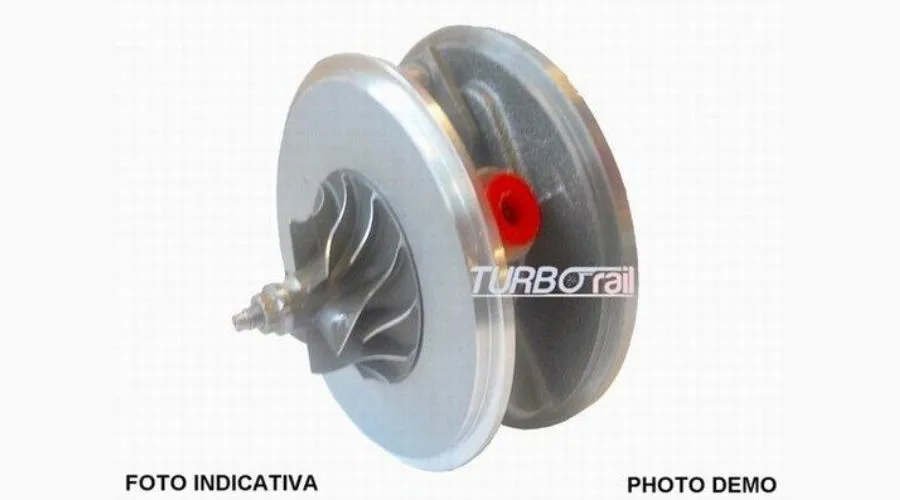
Turborail 100-00267-500
Turborail 100-00267-500 | feedhour
This car engine turbine is designed as an exhaust gas turbocharger specifically suited for the Mercedes-Benz E-class. This component offers a boost in engine performance by harnessing the energy from exhaust gases. Its exhaust gas turbocharging technology contributes to improved combustion and acceleration, making it an integral part of the vehicle’s dynamics.
2. RIDEX 2234C0184 Turbocharger
This turbocharger is an exhaust gas turbocharger designed to enhance vehicle performance through pneumatic mechanisms. Engineered to accommodate vehicles with factory diesel or particulate filters in their exhaust systems, this turbocharger has a weight of 5900 grams and comes as a completely overhauled unit. Crafted from a blend of steel and aluminum materials, this turbocharger is a prime example of modern engineering, combining durability and performance optimization.
3. RIDEX 2234C0023 Turbocharger

This vacuum-controlled turbocharger comes complete with a seal kit and mounting materials, ensuring a comprehensive and efficient installation process. Designed to adhere to exhaust gas standards, this component leverages the power of exhaust gases to optimize the engine’s power output. This turbocharger operates with vacuum control, further optimizing its efficiency and responsiveness.
4. RIDEX 2234C10004 Turbocharger
This turbocharger is an exhaust gas turbocharger engineered to elevate vehicle performance. With meticulous attention to detail, this vacuum-controlled turbocharger arrives complete with a gasket kit and an oil inlet duct, facilitating a comprehensive installation process. Operating with vacuum control, it optimizes responsiveness and efficiency, contributing to an enhanced driving experience. Through its exhaust gas turbocharging mechanism, this turbocharger harnesses exhaust gases to boost the engine’s power output, resulting in improved combustion and acceleration.
5. GARRETT 801374-5004S Turbocharger
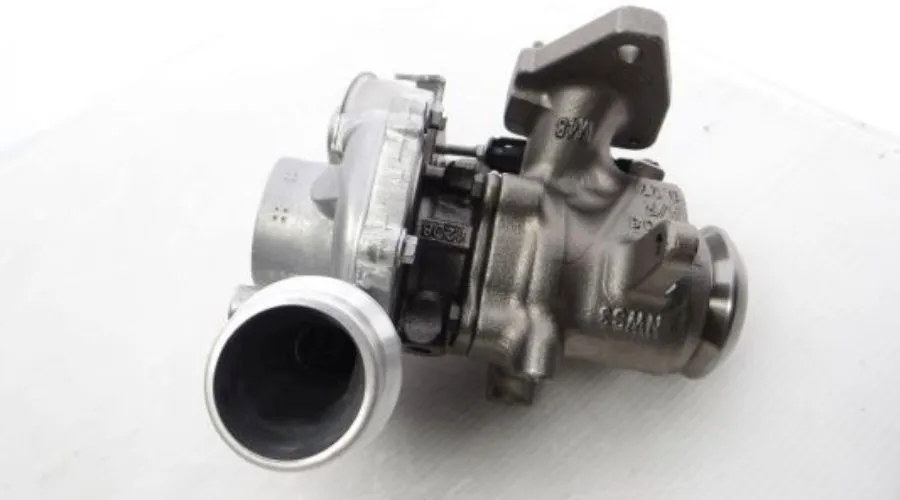
This turbocharger represents the pinnacle of turbocharging technology, designed to elevate vehicle performance and efficiency. This turbocharger encompasses a range of capabilities, including being charged, equipped with a charger/charge air cooler, and acting as both a turbocharger and supercharger. With its multifaceted capabilities and advanced design, this turbocharger serves as a cornerstone of modern automotive engineering, shaping the driving experience through cutting-edge technology.
Conclusion
The car engine turbine, or turbocharger, is a remarkable innovation that has reshaped the automotive landscape. By harnessing exhaust gas energy, it amplifies engine power, optimizes efficiency, and contributes to improved overall performance. As automotive technology continues to evolve, car engine turbines remain a critical component, helping vehicles strike the delicate balance between power, efficiency, and environmental sustainability. For more information, visit Feedhour.