




Estimating the life expectancy of a clutch is similar to predicting the outcome of a major horse race, which is influenced by a plethora of variables. The biggest predictor is your driving style; people who embrace frequent high-speed gear changes, such as racing fanatic Lewis Hamilton, and urban commuters dealing with stop-and-go traffic may find their clutches wearing down sooner than those who cruise lazily on motorways. However, how carefully you use your clutch, the environment you travel in, climatic circumstances, and the sort of vehicle you drive all contribute to how long your clutch will last.
So, in order to provide you with extensive knowledge regarding clutch discs and their maintenance, we came up with the idea of curating this blog. Before getting started, let us first know what clutch discs are exactly.





Fun fact:
On average, clutches require replacement after approximately 60,000 miles of use. Nevertheless, replacements have been required as early as 30,000 miles or even fewer. On the other hand, some clutches have proven to be tough, lasting over 100,000 miles. The combination of these disparate components highlights the complexities of forecasting clutch longevity.
What are clutch discs?
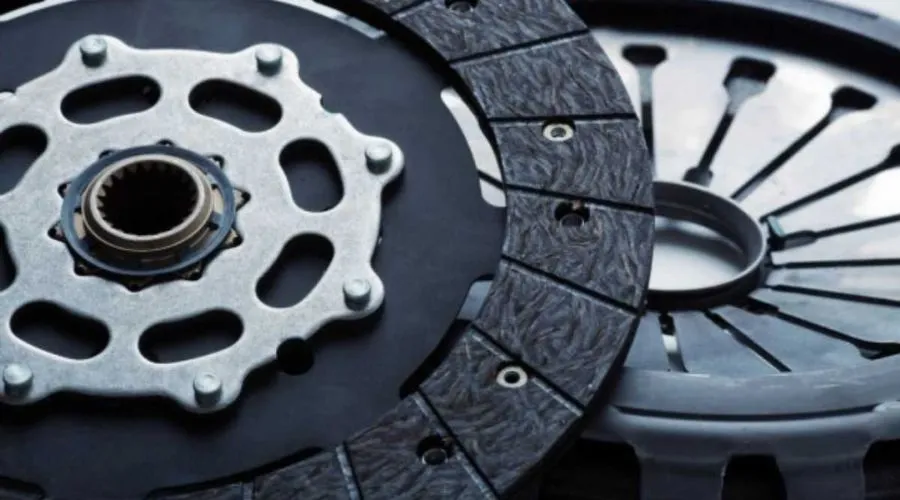
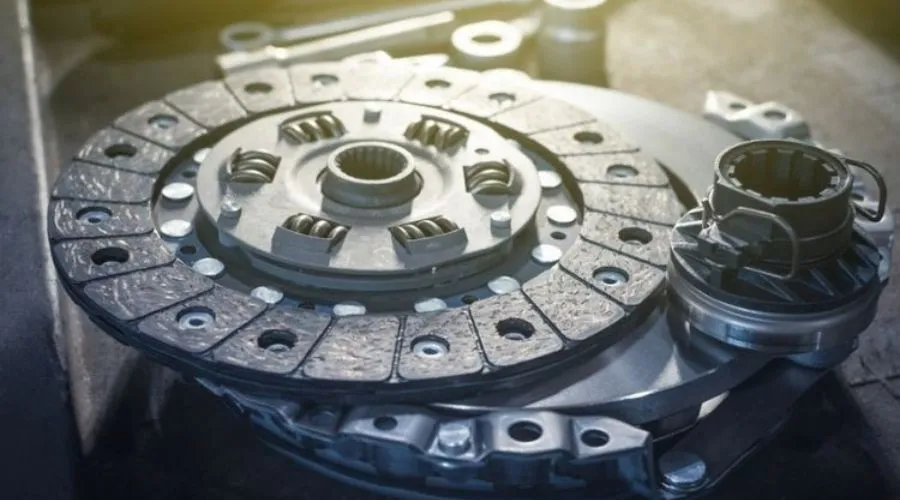
A clutch disc works as a mechanical unit with friction material on both surfaces. When the clutch disc is squeezed between the Pressure Plate and the flywheel, it connects the engine to the transmission via a splined hub.
Many clutch discs incorporate torsional springs within the splined hub to assist smoother engagement. These springs help to make the engagement process more frictionless. Interestingly, clutch makers use a number of different words to describe the friction substance they use.
What is the life expectancy of a clutch disc?
The longer you can avoid straining your clutch, the longer its operational life will most likely be. It is prudent to utilize the clutch sparingly, which ultimately minimises its engagement when not required.
It’s best not to rely on the clutch to keep your automobile motionless at stoplights. Rather than shifting into neutral, use the handbrake. This method provides a significant break for your clutch by relieving continual pressure.
‘Riding the clutch‘ should be avoided at all costs. It is not suggested to use the clutch pedal to control your vehicle’s speed. Your accelerator and brakes are built for this. This approach can severely diminish the lifespan of your clutch. Generally, the clutch should be fully engaged or completely disengaged while driving.
Before accelerating, be sure the clutch is fully released and the gear is engaged.
Regular maintenance and servicing are critical for increasing the life of your vehicle’s components.
If you are experiencing signs of a worn-out clutch and are considering an assessment or replacement, please contact our helpful experts for a quote.
Tips for maintaining the clutch discs
Your driving habits can have a big impact on the lifespan and functionality of your clutch. Consider the following measures to minimize wear and tear and extend the life of your clutch:
1. Avoid Clutch Riding
Avoid accelerating with your foot on the clutch. This can hasten clutch degradation. Instead, when applying the accelerator, disengage the clutch.
2. Use the Clutch Wisely
Only use the clutch when absolutely necessary. When you come to a complete stop, put the car in neutral and let go of the clutch. Unnecessary clutch engagement can increase the chance of future issues.
3. Avoid Using the Clutch as a Footrest
Avoid using the clutch as a footrest. This practice may result in bearing release and early wear.
4. Keep Manual Downshifting in Mind
When driving a manual transmission vehicle, avoid downshifting every time you slow down. Instead of relying exclusively on downshifting, use the brakes to slow down.
5. Use the Parking Brake
When parking, completely activate your car’s parking brake. While leaving the automobile in gear will keep it from rolling, it will put undue strain on the clutch.
By following these tips, you can considerably extend the life of your clutch and guarantee it operates effectively.
Where can you find the best clutch disc options for your particular car brand and model?
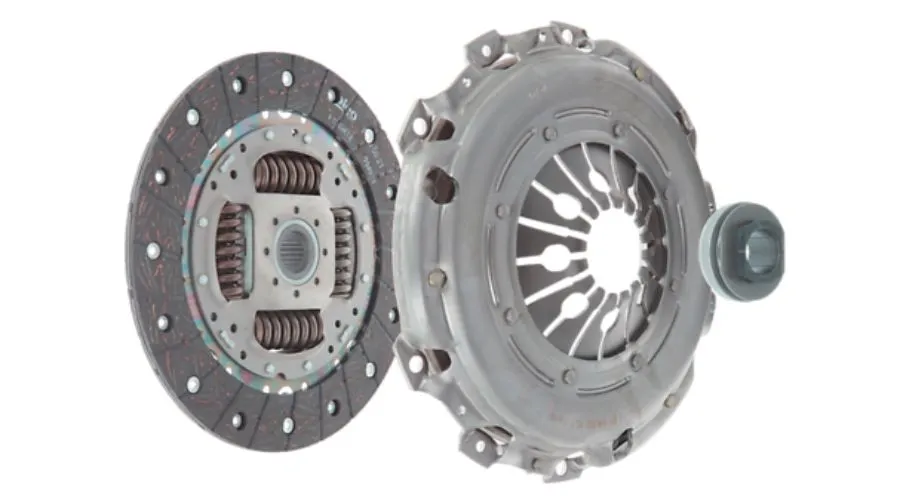
If you are looking for different clutch disc options, such as ceramic clutch discs or performance clutch discs, then you can use the simple and user-friendly platform of AUTODOC. They are an online seller of affordable and quality car parts.
You can use the different filters on their website to make your search more specific and relevant.
Conclusion
An intriguing revelation is that clutches are used in a variety of industries other than the automotive industry. Clutches are used in a variety of industries, including presswork, metal stamping, packaging machines, printing machines, pumps, gear drives, and assembling machines.
With your newfound knowledge of clutch mechanics and their numerous applications, it’s worth remembering that AUTODOC is a leading provider of comprehensive car services, including expert clutch repair solutions.
If you have any questions or concerns, please contact us by posting a comment below or using the contact information given on the official website of AUTODOC. For more such related blogs, visit our website Feedhour.