




Furniture restoration DIY projects can breathe new life into tired, worn pieces while saving money and reducing waste. Whether you’ve discovered a hidden gem at a thrift store or want to revitalize a family heirloom, the right techniques and materials can transform even the most neglected furniture into stunning statement pieces for your home.
With proper preparation, quality materials, and a bit of patience, anyone can master furniture restoration DIY. This guide will walk you through the essential steps to successfully restore old furniture and create beautiful, personalized pieces that will last for years to come.
Preparing Your Piece for Restoration
Before diving into your furniture restoration DIY project, proper preparation is crucial for achieving professional-looking results. This preparatory phase can make the difference between a quick fix that deteriorates rapidly and a lasting transformation.
Cleaning and Assessment
Begin by thoroughly cleaning your piece with a mild detergent to remove accumulated dirt and grime. Inspect the furniture carefully, noting any structural issues, loose joints, or damaged areas that need repair before painting. Repainting old furniture requires attention to detail at this stage, as missed problems can compromise your final results.
Repairs and Surface Preparation
Address any necessary repairs first – tighten loose screws, reinforce wobbly legs, and fill holes or cracks with wood filler. Once repairs are complete, remove any existing finish through sanding or stripping.
Sanding creates the slightly rough surface needed for paint adhesion. For most furniture restoration DIY projects, start with medium-grit sandpaper (80-120) and finish with fine-grit (220) for smoothness. Remember to sand in the direction of the wood grain to avoid unsightly scratches.
Choosing the Right Paint and Techniques
The paint you select significantly impacts both the appearance and durability of your restored piece. When upcycling wooden furniture, choosing appropriate products ensures your hard work stands the test of time.
Types of Paint for Different Looks
- Chalk paint: Perfect for furniture restoration DIY because it requires minimal preparation and creates a beautiful matte finish that’s ideal for vintage and farmhouse styles.
- Milk paint: Offers an authentic aged appearance and is excellent for achieving genuine antique looks. It penetrates the wood rather than just sitting on top.
- Acrylic paint: Delivers a more contemporary, smooth finish with excellent durability, making it ideal for frequently used pieces.
Application Techniques
Apply paint in thin, even coats using a high-quality brush or foam roller. Multiple light coats produce better results than one thick layer. When furniture restoration DIY involves intricate details, use a small artist’s brush to reach tight spaces.
For specialty finishes like distressing, apply two different paint colors, then sand edges and corners lightly after drying to reveal the base color. This technique works wonderfully when repainting old furniture for a deliberately aged appearance.
Finishing and Protecting Your Work
The final steps in furniture restoration DIY involve protecting your work to ensure longevity. Without proper sealing, your beautifully painted furniture may chip, scratch, or stain easily.
Sealing Options
Apply a protective topcoat appropriate for your paint type. Wax provides a soft sheen and subtle protection for chalk-painted pieces, while polyurethane offers maximum durability for high-traffic items. When upcycling wooden furniture for kitchens or bathrooms, choose water-resistant sealers that can withstand humidity.
Final Touches
Once the sealer is completely dry, consider upgrading the hardware for an even more dramatic transformation. New knobs, handles, or drawer pulls can completely change the character of a piece and complement your furniture restoration DIY project perfectly.
Top Picks for Furniture Restoration DIY Kits and Products
-
McKLords Airbrush Cleaner – 250ml
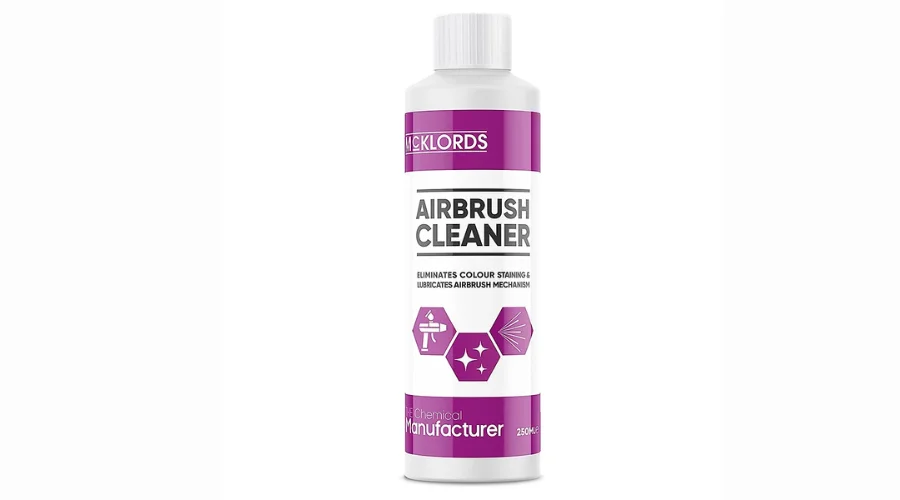
McKLords Airbrush Cleaner is a must-have for artists and DIY enthusiasts who use airbrushes and fine paint tools. This high-strength formula efficiently removes paint residue from hard-to-reach areas, ensuring smooth operation and longevity of your tools. It works well with acrylics, watercolors, inks, and gouache while also being safe for synthetic and natural-haired brushes. Whether used between color changes or for deep cleaning, this ready-to-use solution keeps airbrushes in optimal condition, making it essential for precision painting and restoration.
-
Furniture Clinic Garden Furniture Restoration & Maintenance Kit
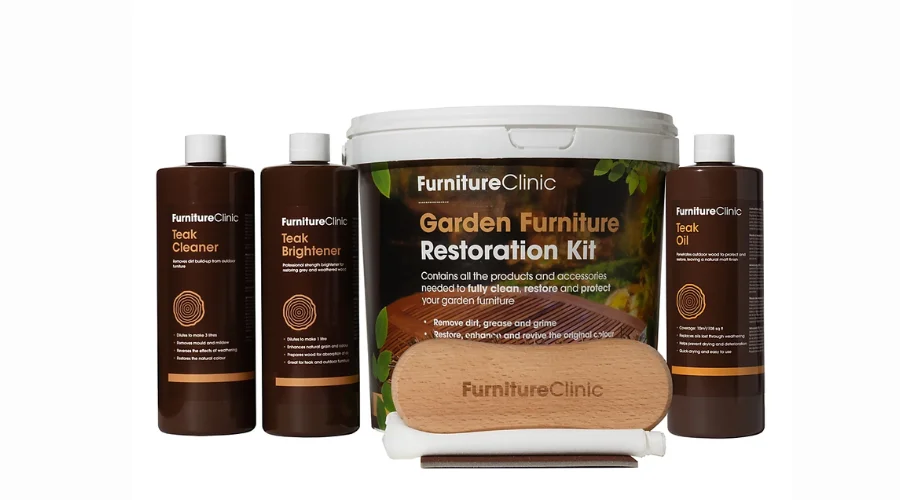
The Furniture Clinic Garden Furniture Restoration Kit is an all-in-one solution to revive outdoor wooden furniture. Designed to remove dirt, grease, and weathering, this award-winning kit restores the wood’s natural honey-brown color while killing mold and mildew. Its three-step process enhances and protects against future damage, ensuring long-lasting results. Perfect for revitalizing aged and greyed-out wood, this kit is a practical investment for maintaining your garden furniture, keeping it clean and vibrant throughout the seasons.
-
Walnut Wood Repair Crayons – 3-Pack
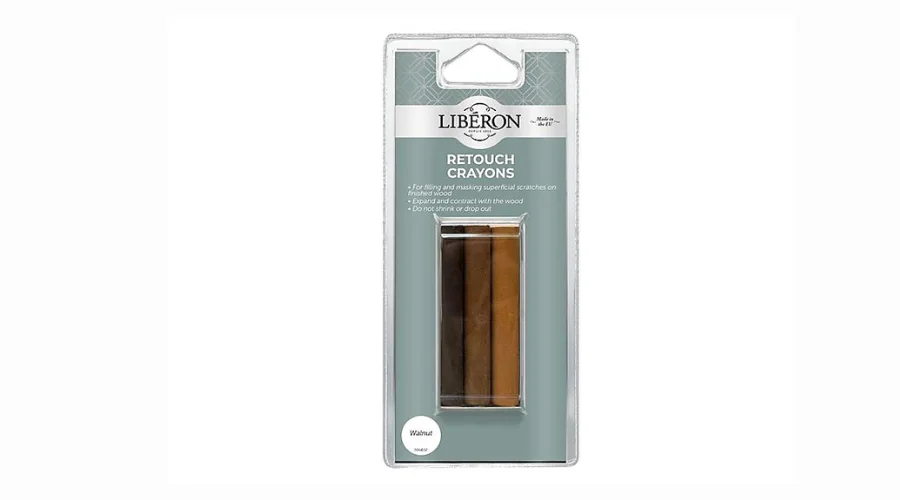
Walnut Wood Repair Crayons are a simple yet effective solution for concealing scratches, nail holes, and minor imperfections in wooden furniture. Easy to use, they seamlessly blend into finished surfaces, restoring the natural beauty of wood. The crayons expand and contract with temperature changes, ensuring durability without cracking or shrinking. Ideal for interior use, their rich walnut hue complements most wooden décor. Whether repairing cherished antique or everyday furniture, these crayons provide a quick and professional-quality fix.
-
Liberon Black Patinating Wax – 250ml
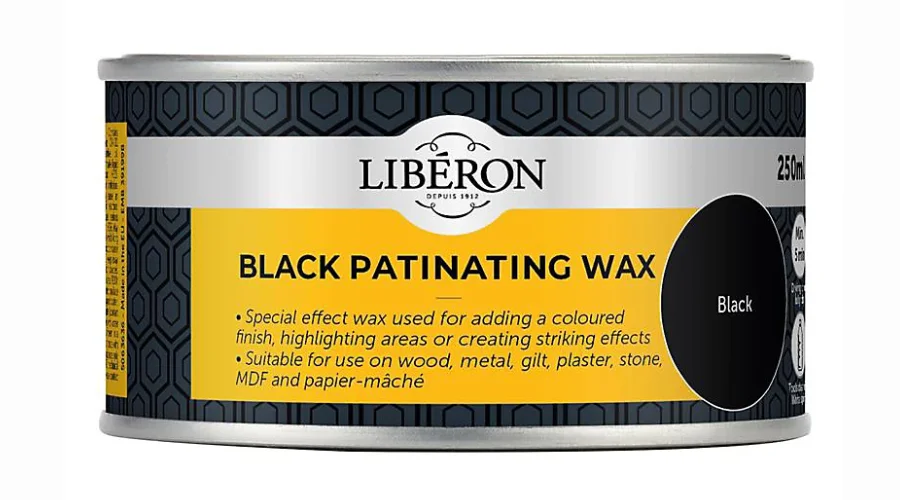
Liberon Black Patinating Wax is the perfect choice for adding depth and elegance to furniture and decorative pieces. Ideal for wood, metal, plaster, and MDF, this wax enhances intricate details while disguising imperfections with a rich, aged finish. It dries in just five minutes and offers excellent coverage, making it a time-efficient option for DIY projects. Whether revamping antique furniture or adding a patina effect to modern pieces, this wax delivers professional results with easy application and cleanup.
Conclusion
Restoring old furniture is a rewarding and cost-effective way to breathe new life into cherished pieces while adding a personal touch to your home décor. By following the right techniques—proper preparation, choosing suitable paints, and applying protective finishes—you can achieve stunning results that last for years. Whether you’re upcycling wooden furniture or refinishing a vintage treasure, furniture restoration DIY allows you to unleash your creativity and preserve the charm of well-loved pieces. You can easily find the right materials at DIY and transform worn-out furniture into timeless, stylish statement pieces.
For more information, visit Feedhour.
FAQ