




For a healthy lifestyle, a lot of people are searching for methods to lessen their caloric intake when preserving dietary intake. Milk, a staple in lots of diets, is available in numerous forms with different calorie contents. Since milk is one of the most consumed drinks that goes with all kinds of food recipes, we can’t put away milk just because of calories. This is why the alternative is the lowest calorie milk to calorie milk.
As more and more people are seeking healthier alternatives to traditional dairy milk, the market for plant-based milk alternatives has exploded. Let’s explore diverse low-calorie milk options, their dietary benefits, and who should best look for the lowest calorie milk.





Who Needs Lowest Calorie Milk?
People who focus on weight loss or upkeep can gain considerably from the lowest calorie milk options. With less calorie than conventional dairy milk, those options allow people to enjoy milk’s versatility even as supporting their caloric goals. They can use those options in milk, smoothies, or cereals without substantially impacting their daily calorie consumption.
Low-calorie milk alternatives, particularly unsweetened varieties, are exquisite picks for people dealing with diabetes or monitoring blood sugar levels. These alternatives commonly have lower carbohydrate content as compared to ordinary milk, assisting in keeping stable blood glucose levels. Lastly, those with lactose intolerance frequently conflict with dairy milk, making low-calorie plant-primarily based options ideal. These alternatives provide a safe, digestible manner to enjoy milk. If you are looking for the lowest calorie milk to add to your diet here are some best market options to look out for.
Almond Milk
This type of milk option is among the lowest calorie milk, unsweetened almond milk usually contains just 30-35 calories in keeping with the cup. Made from floor almonds and water, it gives a light, barely nutty taste that works well in coffee, smoothies, and cereals. Rich in nutrition, vitamin E and frequently fortified with calcium and nutrition D, almond milk affords these benefits while being naturally low in energy. However, it’s well worth noting that it incorporates much less protein than many different plant-primarily based alternatives.
Cashew Milk
Similar to almond milk in caloric content, sugar free cashew milk contains the lowest calorie. It offers a creamier texture than almond milk, making it a wonderful choice for espresso liquids and cooking. Cashew milk gives a very good supply of healthy fat and regularly comes with vitamins A, D, and B12. Its diffused, sweet flavor makes it a flexible choice for both sweet and savory recipes.
Soya Milk
This type of milk is made from soaked soybeans that are turned into a liquid after boiling. Soya milk stands out for its outstanding nutritional profile. It’s the closest to dairy milk in phrases of protein content material, presenting approximately 7 grams consistently. Soya milk offers entire protein, making it a superb desire for vegetarians and vegans. It’s naturally rich in isoflavones and frequently fortified with calcium and nutrients. Its creamy texture makes it ideal for cooking and baking.
Oat Milk
Oat milk generally carries fewer calories and is made by soaking and blending in water, making it one of the higher-calorie options among plant-based milk. However, it compensates with its creamy texture and natural sweetness. Rich in fiber and beta-glucans, oat milk supports coronary heart fitness and is good for your skin and eyes. It’s mainly famous in espresso shops because of its advanced frothing results and smooth taste that complements espresso perfectly.
Coconut Milk
This type of milk offers the lowest calories and is widely suitable for cooking and having it at breakfast. It’s processed as milk by blending grated coconut in hot water. It offers a wonderful tropical taste and creamy texture. Rich in medium-chain triglycerides (MCTs), coconut milk might also boost metabolism and lower in fat making it suitable for a balanced diet.
Rice Milk
Rice milk is clearly sweet but fantastically thin in texture with lower calories, suitable to drink if you have nut allergies. It’s one of the least allergenic options, making it suitable for people with a couple of food sensitivities. While it is easy to digest, rice milk is in most cases carbohydrate-based and consists of minimum protein. It’s often filled with calcium and vitamins to enhance its dietary cost.
Hemp Milk
The hemp seeds are blended in water to make milk out of them and offer a smooth milk texture. This type of milk offers a wonderful stability of omega-3 and omega-6 fatty acids. It gives a nutty, barely earthy taste and consists of all vital amino acids. Hemp milk is certainly rich in iron and magnesium, making it a nutritious preference for the ones looking for a protein-wealthy opportunity. Hemp milk is also known to enhance bone and teeth health.
Pea Milk
Many do not know but pea milk is made of yellow split peas by grounding into flour. The texture of the milk is similar to organic cow milk offering calorie-free milk enjoyment. Made from yellow peas, it offers an easy texture and neutral flavor. Pea milk is frequently fortified with calcium and nutrition D, making it a nutritionally healthy option at the same time it uses 25% less water to produce it.
Hazelnut Milk
With about low calories and unsweetened, hazelnut milk gives an exceptional nutty taste that pairs particularly properly with espresso and chocolate. The hazelnuts are well roasted and blended in water to give that nutty flavor milk taste. It provides appropriate amounts of nutrition E and useful antioxidants. With a decrease in protein, its specific taste makes it a fave for flavoring hot liquids and desserts.
Macadamia Milk
One of the bottom-calorie options, unsweetened macadamia milk consists of simply 25-35 calories in a single cup. It gives a rich, creamy texture and subtle buttery taste. High in coronary heart-healthy monounsaturated fat, macadamia milk gives a high-quality option to dairy milk while retaining calories minimum.Macadamia Milk contains vitamins A, D and B12. It’s also gluten and soy-free milk.
Storage and Usage Tips for the Lowest Calorie Milk
Most plant-based milk options require refrigeration after opening and commonly lasting for 3-7 days. Shake well before each use, as separation is natural with plant-primarily based milk. For the best flavor and texture, serve chilled and use inside the encouraged timeframe.
Many of these options may be made at home with easy elements and equipment, presenting even more control over substances and probably decreasing prices. However, homemade variations can also lack the fortification determined in industrial merchandise.
Conclusion
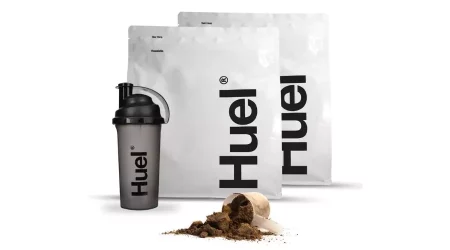
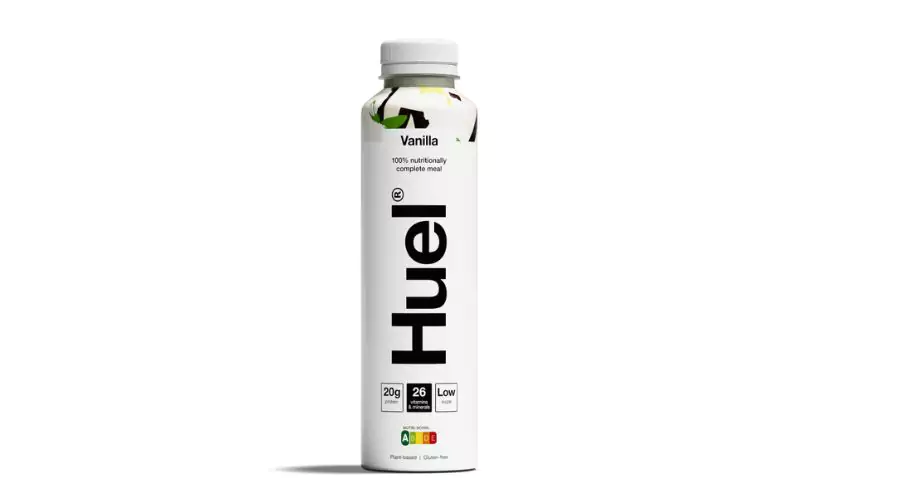
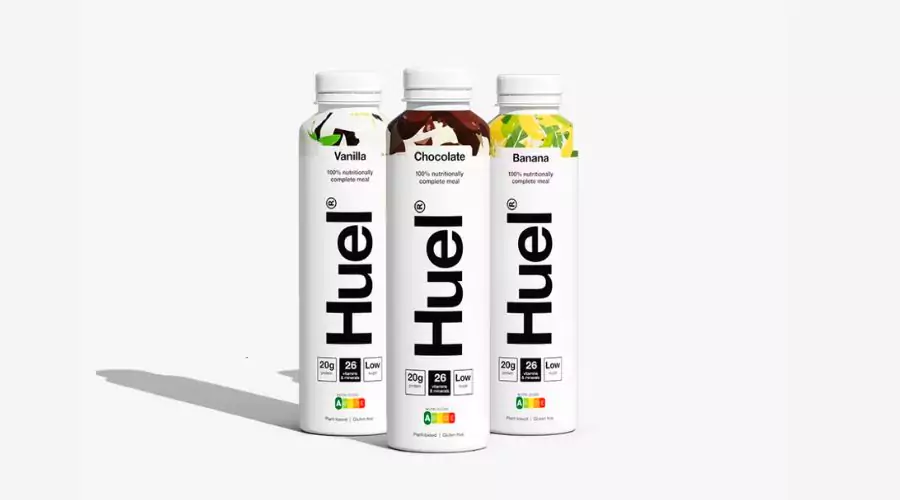
The plant-based milk alternatives give something for everybody, whether you are counting calories, fending off allergens, or actually exploring new alternatives. Each range brings its very own specific benefits and characteristics to the table. If you are in the process of living a calorie-free life check out Huel to find the lowest calorie milk option. Worry about gluten intolerance and fear of calories and enjoy your love for milk.
For more updates about the lowest calorie milk alternative visit Feedhour today!