




Premium cloud hosting is a type of web hosting service that offers a high-performance, scalable, and secure infrastructure for websites, applications, and data storage. It provides businesses and organizations with reliable, flexible, and cost-effective solutions that can handle large volumes of traffic and complex workloads. With premium cloud hosting, customers can expect faster loading times, improved website performance, and increased uptime, as well as better security and data protection.
This is achieved through advanced technologies such as load balancing, auto-scaling, and advanced security measures like firewalls, intrusion detection, and DDoS protection. Moreover, premium cloud hosting providers often offer dedicated support, 24/7 monitoring, and backups to ensure that their client’s websites and applications run smoothly and securely. This level of service and support comes at a premium price, but it’s worth it for businesses that require the highest level of performance, security, and reliability.
A list of servers providing premium cloud hosting
When it comes to premium cloud hosting, there are many service providers to choose from. Each provider has its unique features, pricing plans, and level of support. Here are some of the top providers in the industry:
1. Amazon Web Services (AWS)
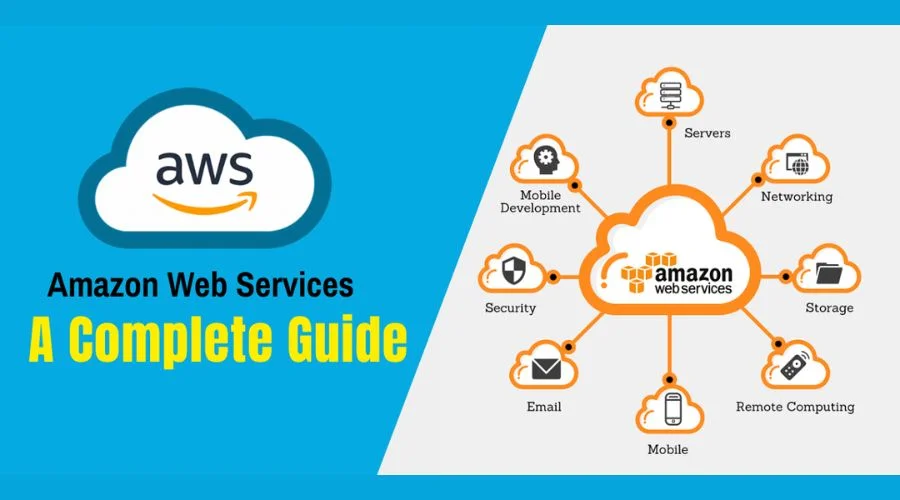
AWS is one of the most popular cloud hosting providers, offering a wide range of services including EC2 instances, databases, storage, and more. AWS is known for its scalability and reliability, making it an ideal choice for businesses of all sizes. The platform also offers advanced security features, including DDoS protection, encryption, and multi-factor authentication.
2. Google Cloud Platform (GCP)
GCP is a powerful cloud hosting platform that offers advanced machine learning capabilities, high-performance computing, and data analytics. The platform is known for its ease of use and flexible pricing, making it a popular choice for startups and small businesses. GCP also offers advanced security features, including data encryption, network security, and identity and access management.
3. Microsoft Azure
Azure is another popular cloud hosting provider, offering a wide range of services including virtual machines, databases, storage, and more. The platform is known for its high-performance computing capabilities, making it an ideal choice for businesses that require large amounts of computing power. Azure also offers advanced security features, including threat detection, identity and access management, and encryption.
4. DigitalOcean

DigitalOcean is a cloud hosting provider that specializes in providing high-performance, scalable infrastructure for developers. The platform offers a range of services including droplets (virtual machines), databases, storage, and more. DigitalOcean is known for its user-friendly interface and affordable pricing, making it an ideal choice for small businesses and startups. The platform also offers advanced security features, including firewalls and two-factor authentication.
5. Vultr
Vultr is another cloud hosting provider that specializes in providing high-performance, scalable infrastructure for developers. The platform offers a range of services including virtual machines, databases, storage, and more. Vultr is known for its flexible pricing and easy-to-use interface, making it an ideal choice for developers and small businesses. The platform also offers advanced security features, including DDoS protection and firewalls.
6. Linode
Linode is a cloud hosting provider that offers a high-performance infrastructure for developers and businesses. The platform offers virtual machines, databases, storage, and more. Linode is known for its fast servers, flexible pricing, and easy-to-use interface, making it an ideal choice for developers and small businesses. The platform also offers advanced security features, including firewalls and intrusion detection.
In conclusion, there are many cloud hosting providers to choose from, each with its unique features and benefits. When choosing a provider, it’s important to consider factors such as performance, scalability, security, and support. By doing your research and comparing different providers, you can find the one that best meets your needs and budget.
Hosting vs cloud hosting
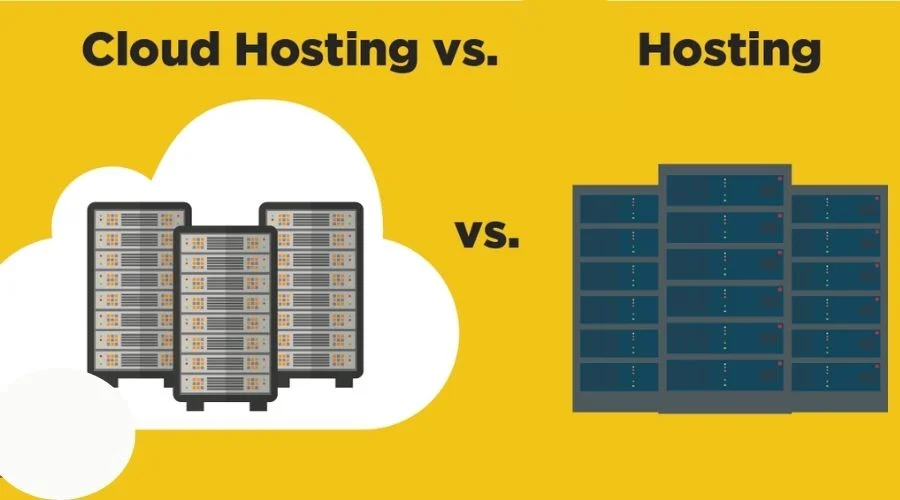
Traditional hosting involves hosting a website on a single physical server, which means that if the server goes down, the website will go down as well. Cloud hosting, on the other hand, involves hosting a website on a network of interconnected virtual servers that work together to provide high performance, scalability, and reliability. In cloud hosting, resources such as computing power and storage are distributed across multiple servers, which means that if one server goes down, the website will continue to function using the resources from the other servers. Cloud hosting also offers advanced security features such as firewalls, intrusion detection, and DDoS protection. Overall, cloud hosting is a more advanced and reliable solution that offers many benefits over traditional hosting, including better performance, scalability, and security.
Conclusion
Premium cloud hosting is a web hosting service that provides high-performance, secure, and scalable infrastructure for websites, applications, and data storage. It offers faster loading times, improved website performance, increased uptime, and advanced security measures like firewalls, intrusion detection, and DDoS protection. With dedicated support and 24/7 monitoring, premium cloud hosting is an ideal choice for businesses that require the highest level of performance, security, and reliability. For more information on premium cloud hosting, visit Feedhour.