



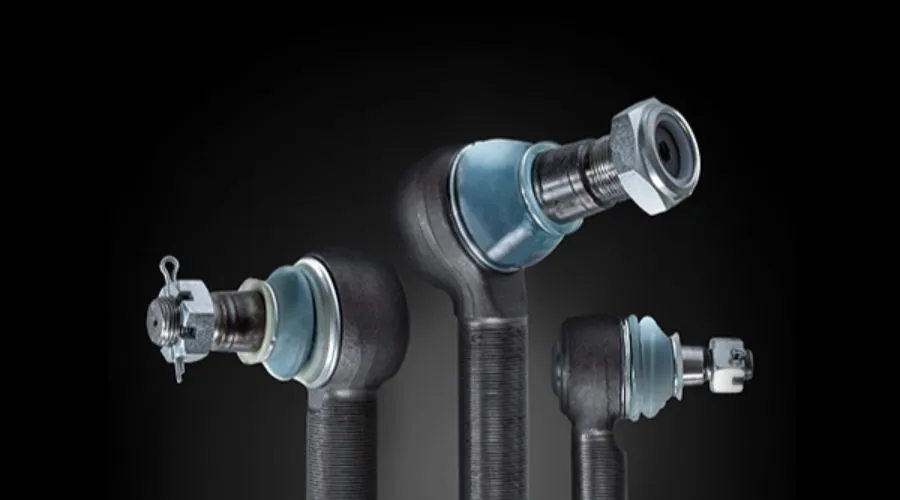

When it comes to vehicle safety and control, few components are as vital as the steering system. The steering rod, also known as the tie rod, plays a pivotal role in ensuring that your vehicle responds to your steering input accurately. A steering rod, often referred to as a tie rod, is a critical part of your vehicle’s steering system. It serves as a connecting link between the steering gearbox and the steering knuckles or spindles. The primary purpose of the steering rods is to transmit the steering input from the driver to the wheels, allowing you to control the direction in which your vehicle moves.
A typical steering rod consists of several components, including:
- Inner Tie Rod End: Attached to the steering gearbox, this end of the rod connects to the center link.
- Center Link: Also known as the relay rod, it connects the inner and outer tie rod ends.
- Outer Tie Rod End: These are connected to the center link and the steering knuckles or spindles, transmitting the steering input to the wheels.
Together, these components form a crucial link in the steering system, ensuring that your vehicle’s wheels turn in the desired direction when you turn the steering wheel.
Autodoc is your trusted partner for all your automotive part needs, including steering rods. They offer a wide selection of steering rods, ensuring that you find the right fit for your vehicle. Autodoc provides multiple options and choices, allowing you to select the ideal steering rod based on your vehicle’s specifications and your budget.
With Autodoc, you benefit from:
- Quality Assurance: Autodoc offers high-quality rods from reputable manufacturers, ensuring reliability and durability.
- Wide Range of Options: Autodoc’s extensive catalog includes rods for various makes and models, giving you a diverse selection to choose from.
- Competitive Pricing: Autodoc provides competitive prices, allowing you to maintain your vehicle’s steering system without breaking the bank.
- Convenience: You can conveniently browse and purchase rods online through Autodoc’s user-friendly platform, making the process hassle-free.
What is the best steering rod available on Autodoc?
1. CEI 220.348 Steering bars
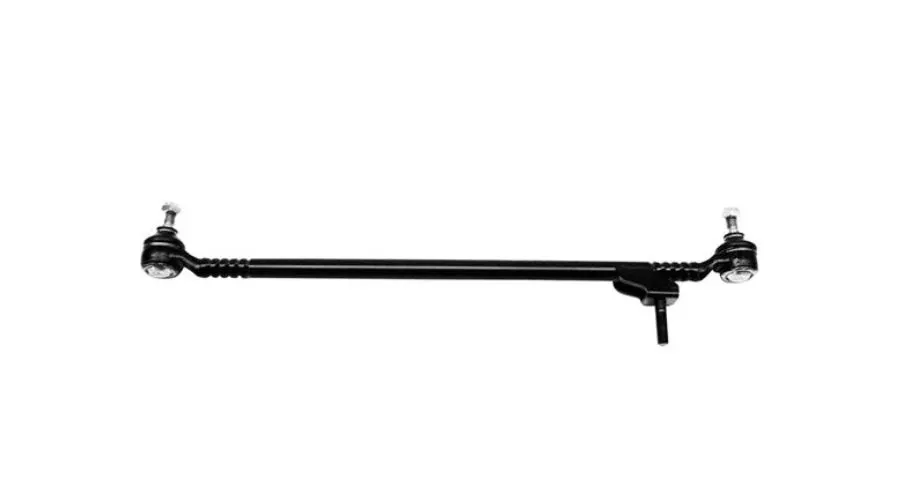
The CEI 220.348 Steering bars, bearing article number 220.348, offer a versatile solution for vehicle steering systems with their adjustable length spanning from 776 to 835 mm. Priced at 134.49 €, this crucial component combines affordability with quality. Weighing 4.1 kg, it demonstrates durability and reliability, making it a dependable choice for steering system maintenance. The manufacturer’s part number coincides with its article number, simplifying identification, and the EAN number 8053804148203 streamlines procurement.
2. S-TR STR-10766 Steering bar
The S-TR steering bars, labeled with the article number STR-10766, are available for 104.20 € and are specifically designed for the front axle assembly, with a length of 895 mm. This component comes complete with accessories and features unilateral adjustability, making it a versatile choice. It serves as a strength bar with a cone dimension of 28.6 mm and a pipe diameter of 52 mm. Manufactured by S-TR, the steering rod bears the same manufacturer’s part number and is identified by the EAN number 224698144042531440425. https://camions.auto-doc.fr/s-tr/14404253
3. Febi Bilstein 32336 steering rod
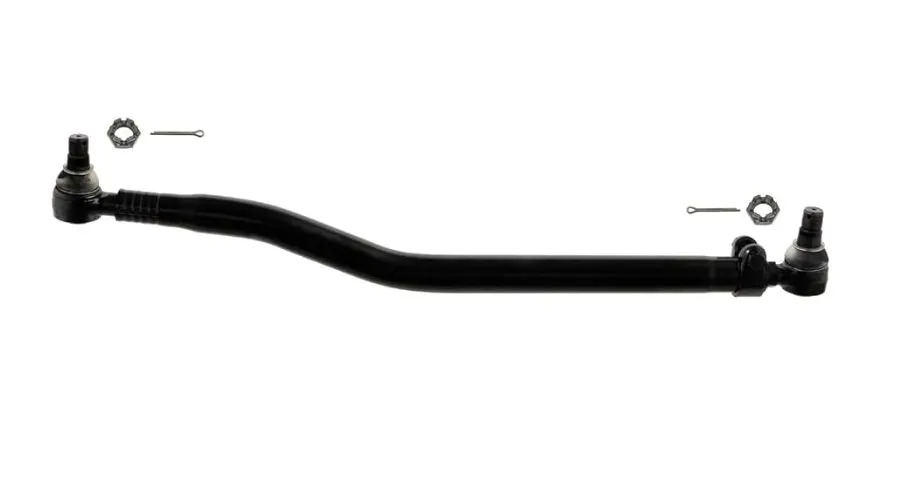
The Febi Bilstein steering rod, marked with article number 32336, is available for 121.53 € and is specifically designed for the front axle assembly, featuring a length of 993 mm. This component, which comes with a nut and belongs to the febi Plus series, serves as a robust strength bar with a diameter of 50 mm and a cone dimension of 30 mm. It also features internal and external thread dimensions of M30 x 1.5 RHT and M24 x 1.5, respectively. Manufactured by FEBI BILSTEIN, the steering rod shares its manufacturer’s part number and is identified by the EAN number 4027816323365.
4. Febi Bilstein 24133 steering rod
The Febi Bilstein steering rod, bearing article number 24133, is available for 111.17 € and is designed to connect from the steering gear to the 1st intermediate steering lever in left-hand drive vehicles. With a length of 865 mm, this component serves as a robust strength bar, featuring a diameter of 42 mm and a cone dimension of 26 mm. It includes a castle nut, belongs to the febi Plus series, and has internal and external thread dimensions of M30 x 1.5 RHT and M20 x 1.5, respectively. Manufactured by FEBI BILSTEIN, the rod shares its manufacturer’s part number and is identified by the EAN number 4027816241331.
5. Febi Bilstein 48316 steering rod
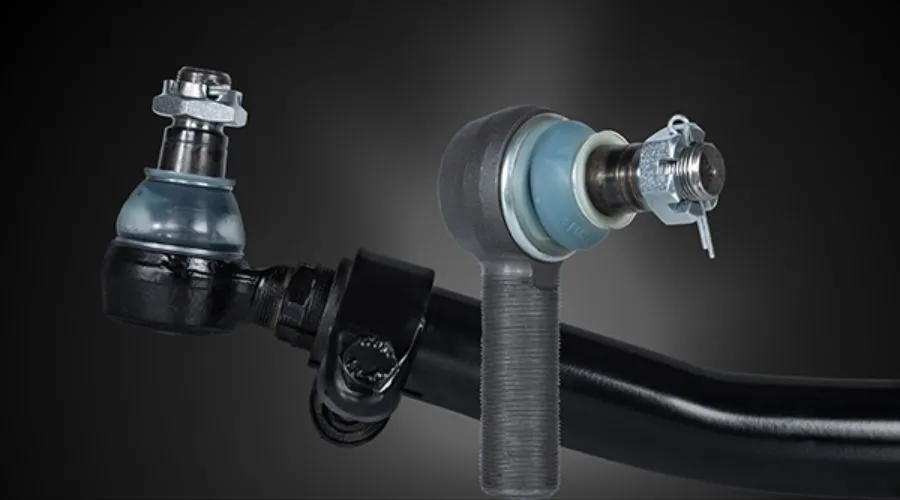
The Febi Bilstein steering rod, denoted by article number 48316, is available for 94.41 € and is specifically designed for the front axle assembly. With a length of 882 mm and featuring a right-hand thread, this component serves as a robust strength bar, complete with a nut and belonging to the febi Plus series. It showcases a cone dimension of 26 mm and a pipe diameter of 38 mm. Additionally, it includes internal and external thread dimensions of M30 x 1.5 RHT and M20 x 1.5, respectively. Manufactured by FEBI BILSTEIN, the rod shares its manufacturer’s part number, ensuring quality and compatibility for your front axle needs.
Why is the Steering Rod so Important?
The importance of this rod cannot be overstated. It plays several key roles in your vehicle’s performance and safety:
- Steering Control: These rods are responsible for transmitting your steering inputs to the wheels. Without it, you would have no control over the direction your vehicle travels.
- Alignment: Proper alignment of the wheels is crucial for even tire wear and optimal handling. The rod helps maintain wheel alignment, preventing premature tire wear and ensuring a stable and safe ride.
- Safety: A damaged or worn steering rod can lead to steering instability, making it difficult to control your vehicle. This poses a significant safety risk, especially during emergency maneuvers or adverse road conditions.
How can I tell if my steering rod is damaged or worn out?
Identifying potential issues with your steering rod is essential to maintaining safe driving conditions. Here are some common signs that your rod may be damaged or worn out:
- Uneven Tire Wear: Uneven wear on your tires, such as excessive wear on the inside or outside edges, can indicate alignment problems linked to a damaged rod.
- Vibration in the Steering Wheel: If you notice vibrations in the steering wheel, especially when driving at higher speeds, it could be a sign of steering rod wear or misalignment.
- Loose or Unresponsive Steering: If your steering feels loose, or you notice delays or unresponsiveness when turning the steering wheel, this could indicate issues with the steering rod.
- Clunking or Knocking Noises: Strange noises, such as clunking or knocking sounds when turning or going over bumps, may suggest a problem with the rod.
- Visual Inspection: A visual inspection of the steering rod can reveal issues like bent or damaged components, loose connections, or signs of wear.
Can I drive with a damaged steering rod?
While it is possible to drive with a damaged steering rod, it is strongly discouraged due to safety concerns. A damaged or worn steering rod can lead to compromised steering control, making it difficult to navigate your vehicle safely. This poses significant risks to both you and other road users, especially in emergencies.
Continue to drive with a damaged steering rod can result in:
- Increased difficulty in steering and turning.
- Unpredictable handling, especially during sudden maneuvers.
- Uneven tire wear, leading to premature tire replacement.
- Compromised vehicle stability and control.
To ensure your safety and the safety of others on the road, it’s crucial to address any steering rod issues promptly and refrain from driving until the problem is resolved.
How often should I replace my steering rod?
The frequency of steering rod replacement largely depends on several factors, including your vehicle’s make and model, driving conditions, and maintenance practices. However, here are some general guidelines:
- Mileage: These rods are subject to wear and tear, so it’s recommended to inspect them regularly, especially during routine maintenance intervals. Replacement may be necessary anywhere from 70,000 to 100,000 miles or as recommended by your vehicle’s manufacturer.
- Driving Conditions: If you frequently drive on rough or uneven terrain or encounter potholes and road debris, your steering rod may experience increased wear. In such cases, more frequent inspections and potential replacements may be required.
- Signs of Damage: If you notice any of the signs mentioned earlier, such as vibrations, loose steering, or unusual noises, it’s essential to have your steering rod inspected and replaced if necessary, regardless of mileage.
- Routine Maintenance: Regular vehicle maintenance, including wheel alignments and inspections, can help prolong the life of your steering rod. Follow the manufacturer’s recommended maintenance schedule to ensure optimal performance and safety.
Also Read – Kеy Fеaturеs To Look For Whеn Shopping For Thе Bеst Stеam Clеanеrs
Conclusion
Autodoc stands as a reliable and comprehensive source for steering rods, offering a diverse range of options to cater to various vehicle makes and models. With a commitment to quality, Autodoc provides steering rods that play a crucial role in maintaining steering control, alignment, and overall safety. Whether you need a replacement or an upgrade, Autodoc’s selection, competitive pricing, and accessibility make it a trusted choice for all your rod requirements, ensuring that your vehicle’s steering system operates at its best. For more information, visit Feedhour.