




Buying a mattress isn’t as simple as picking something that looks soft and comfortable. It’s about finding the perfect balance of comfort, support, and durability to ensure quality sleep. One of the most common dilemmas when shopping for a new bed is deciding between a hybrid vs. memory foam mattress. Both have unique advantages, but they cater to different sleeping preferences and needs. Whether back support, motion isolation, or temperature regulation is a priority, understanding how these two types compare is essential to making the right choice.
What Is a Memory Foam Mattress?
A memory foam mattress is made entirely of foam layers, designed to contour to the body and provide exceptional pressure relief. Initially developed by NASA for cushioning and support, memory foam has become a popular choice for those who want a plush, body-hugging sleep experience.
Memory foam mattresses offer a deep-sinking feeling that molds to the body, creating a personalized sleep experience. They are well-known for their motion isolation, which means movement from one side of the bed won’t disturb the other. They are, therefore,1 perfect for light sleepers or couples. They are also completely silent, unlike traditional spring mattresses that tend to creak over time.
One of the biggest drawbacks, however, is heat retention. Traditional memory foam tends to trap body heat, which can be uncomfortable for hot sleepers. Fortunately, modern memory foam mattresses now come with cooling gel layers and breathable foam technology to help regulate temperature.
What Is a Hybrid Mattress?
A hybrid mattress combines foam layers with an innerspring coil system, offering the best of both worlds—softness and support. These mattresses are perfect for those who want the contouring feel of memory foam but need extra support and responsiveness.
Hybrid mattresses have a coil support system, which provides enhanced spinal alignment and prevents sagging. The presence of coils also improves airflow, making them a cooler option for hot sleepers. Unlike all-foam mattresses, hybrids offer a bouncy and responsive surface, making movement easier and reducing the “stuck” feeling that memory foam sometimes creates.
Another advantage is edge support. Many hybrid mattresses have reinforced edges, making it easier to sit on the bed or sleep near the edge without feeling like you’ll roll off. This is an important factor for those who need more sleeping space.
Hybrid vs. Memory Foam Mattress: A Direct Comparison
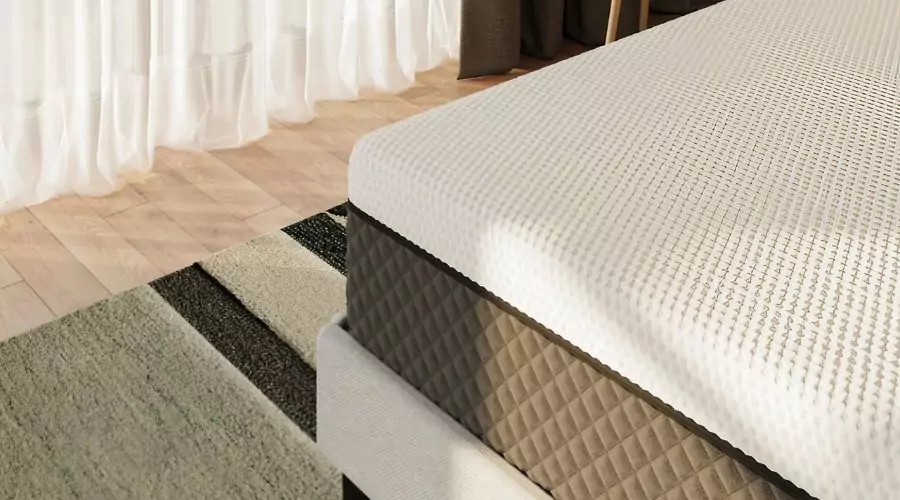
Choosing between a hybrid vs. memory foam mattress depends on individual sleep preferences. Both offer unique benefits, but understanding the differences will help determine the best option.
- Comfort and Feel
A memory foam mattress offers a deep, sinking feeling that hugs the body, making it excellent for pressure relief. On the other hand, a hybrid mattress has a more balanced feel, with some contouring from foam but added bounce and support from the coils. Those who dislike the sinking sensation of memory foam may prefer the responsive feel of a hybrid.
- Back Support and Spinal Alignment
For those needing extra back support, a hybrid mattress is typically the better choice. The coil system helps maintain spinal alignment, making it a great option for back and stomach sleepers. A memory foam mattress, while excellent for pressure relief, can sometimes be too soft, potentially causing misalignment in certain sleep positions.
- Motion Isolation
One of the standout features of memory foam mattresses is their ability to absorb movement, making them perfect for couples. A hybrid mattress, while better at motion isolation than traditional innerspring beds, still has some motion transfer due to its coil system.
- Temperature Regulation
A hybrid vs. memory foam mattress performs differently in terms of temperature control. Memory foam can trap heat, which can be uncomfortable for hot sleepers. Hybrid mattresses, thanks to their coil layers, allow for better airflow and breathability, making them a cooler option.
- Durability and Lifespan
When comparing the hybrid vs. memory foam mattress, durability is another important factor. Hybrid mattresses tend to last longer, as the coil system prevents excessive sagging. Memory foam mattresses, while durable, may develop body impressions over time.
- Edge Support
A hybrid mattress often includes reinforced edges, allowing sleepers to use the entire surface of the bed without feeling like they’ll fall off. Memory foam mattresses typically lack strong edge support, which can be an issue for those who need a firm surface around the perimeter.
Hybrid vs. memory foam mattress: Which Mattress Is Best for Back Support?
For chronic back pain sufferers, a hybrid mattress is usually the better choice. The combination of coils and foam layers provides structured support while maintaining comfort. However, for those dealing with joint pain or pressure point issues, a memory foam mattress might be more beneficial as it cushions the body and alleviates stress on joints.
Who Should Choose a Memory Foam Mattress?
- Side sleepers who experience discomfort in the shoulders and hips, as memory foam cushions these areas and prevents pressure buildup.
- Couples who are sensitive to movement, as memory foam absorbs motion and prevents sleep disturbances when one partner moves.
- People who prefer a soft, cradling sensation, as memory foam adapts to body shape and provides a “hugging” feel that many find comforting.
- Those suffering from joint pain or arthritis, as the material reduces stress on pressure points and allows muscles to relax fully.
Who Should Choose a Hybrid Mattress?
- Back and stomach sleepers who require more support to keep their spine properly aligned without sinking too deeply.
- Hot sleepers who tend to overheat at night, as hybrid mattresses have better airflow due to their coil system, preventing heat retention.
- People who like a more responsive feel, as hybrid models offer a bit of bounce that makes it easier to shift positions without feeling stuck.
- Individuals with back pain who prefer structured support, as the coils provide a firmer foundation while the foam layers add cushioning for comfort.
Conclusion
Deciding between a Hybrid vs. memory foam mattress ultimately comes down to personal sleep preferences. If softness and pressure relief are the priority, a memory foam mattress is an excellent choice, as it contours to the body and minimizes motion transfer. However, if support, airflow, and durability are more important, a hybrid mattress provides a perfect balance of comfort and structure. No matter the choice, Emma offers some of the best hybrid and memory foam mattresses on the market, combining innovative design with premium materials to ensure a comfortable, restful, and rejuvenating sleep experience.
For more information on Hybrid vs. memory foam mattress, visit Feedhour.