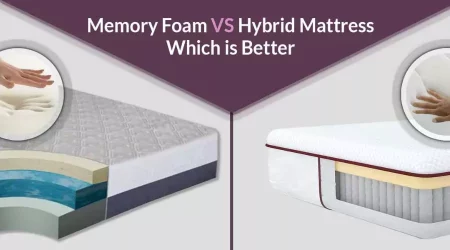





A good mattress can make all the difference in how well someone sleeps. While traditional spring mattresses have been around for decades, memory foam has taken the sleep industry by storm—and for good reason. Designed to conform to the body, relieve pressure points, and enhance comfort, memory foam mattresses offer a unique sleep experience that many people swear by. But what exactly makes memory foam stand out? Understanding memory foam mattress benefits, how it compares to spring mattresses, and the way it improves sleep quality can help in making the right choice.
The Science Behind Memory Foam Mattress Benefits
NASA first created memory foam in the 1960s to enhance astronaut crash protection and seat cushioning. Its unique viscoelastic properties allow it to soften in response to heat and pressure, molding perfectly to the body’s shape. This ability to distribute weight evenly and return to its original form after use is what makes memory foam so effective for sleep. Unlike traditional mattresses that create pressure points, memory foam cradles the body, providing support and reducing stress on joints and muscles. Among the many memory foam mattress benefits, its ability to improve spinal alignment and enhance sleep quality stands out the most.
Benefits of a Memory Foam Mattress
One of the biggest memory foam mattress benefits is pressure relief. By contouring to the body, it reduces strain on pressure points like the shoulders, hips, and lower back. This makes it an excellent option for people who suffer from joint pain, arthritis, or chronic back problems. Unlike spring mattresses, which push back against the body, memory foam absorbs impact, offering a weightless sensation that enhances comfort.
Another key benefit is spinal alignment. Memory foam adapts to the natural curvature of the spine, keeping it properly supported throughout the night. Poor spinal alignment can lead to back pain and discomfort, which is why memory foam is often recommended by orthopedic specialists. It helps reduce tossing and turning by providing a consistent level of support, preventing the aches and pains that come from sleeping in awkward positions.
Durability is also a major factor. While traditional mattresses can develop sagging or worn-out springs, high-quality memory foam retains its shape for years. Many memory foam mattress benefits include a longer lifespan, with most lasting between 8 to 12 years, often outlasting spring mattresses. Additionally, they are resistant to dust mites and allergens, making them a great choice for people with allergies or respiratory issues.
Memory Foam vs. Spring Mattress
When choosing between a memory foam and a spring mattress, it ultimately comes down to personal preference and sleep needs. Memory foam mattress benefits include excellent contouring and pressure relief, as they adapt to the body’s shape and provide even weight distribution. They are ideal for those who suffer from joint pain or prefer a softer, hugging feel. Additionally, memory foam absorbs motion well, making it a great choice for couples. However, they tend to retain heat and may feel too soft for some sleepers.
Spring mattresses, on the other hand, offer a more traditional, bouncy feel with better airflow, keeping sleepers cooler throughout the night. They provide firm support, which is beneficial for back and stomach sleepers, and they generally have better edge support compared to memory foam. However, they may not isolate motion as effectively and can become noisy over time. Spring mattresses also tend to wear out faster, with the coils losing support and comfort over the years.
In short, memory foam mattress benefits include better pressure relief and motion isolation, while spring mattresses are more breathable and provide firmer support. The best choice depends on your sleep style, comfort preference, and whether you prioritize softness or support.
How Memory Foam Improves Sleep Quality
Better sleep starts with better support, and memory foam mattress benefits provide just that. Because it minimizes movement and relieves pressure points, it allows for deeper, more restful sleep. Many people who switch to memory foam report waking up feeling more refreshed and less sore. The ability to absorb movement means fewer sleep disturbances, which is particularly beneficial for those who share a bed.
Temperature control has also improved significantly with modern memory foam technology. Cooling gel layers, perforated foam, and breathable fabric covers have helped memory foam mattress benefits expand beyond comfort and support to include temperature regulation, preventing the overheating issues that were once common.
Another way memory foam enhances sleep quality is by reducing allergens. Traditional mattresses can collect dust, mold, and bacteria over time, but memory foam mattress benefits include a dense structure that makes it resistant to these issues. This creates a healthier sleep environment, particularly for those who suffer from allergies or asthma.
Conclusion
When it comes to choosing the best mattress for sleep quality, memory foam mattress benefits stand out for their ability to provide comfort, support, and durability. Unlike traditional spring mattresses, memory foam contours to the body, relieves pressure points, and minimizes motion transfer, making it an ideal choice for anyone looking to improve their sleep. With advancements in cooling technology and allergen resistance, memory foam mattress benefits continue to make it a top contender for those seeking a restful and rejuvenating night’s sleep. EMMA offers some of the best memory foam mattresses, combining innovation and high-quality materials to ensure superior comfort, support, and long-lasting durability. For more information visit feedhour.
FAQs