




It is not easy to be mindful of the environment and keep your gardening techniques efficient at the same time. The harmful chemicals in most of the products can be especially damaging to the ecosystem around you. Natural weed control methods are one of the best choices to get rid of grass without synthetic herbicides. They not only secure your plants but also shield beneficial insects, soil microorganisms, and underground water. This guide aims to offer the most budget-planned and simply eco-friendly methods of getting rid of unwanted plants and at the same time – to keep your garden healthy and sustainable.
Understanding Natural Weed Control in Gardening
To really understand what makes natural weed control different from the common ones, one has to know about the principles of the same. Contrary to chemical herbicides that are able to stay in the environment for a long time which might have an adverse impact on the non-target organisms, natural practices function in harmony with nature.
Why Choose Natural Methods?
Organic herbicide products and other non-toxic garden practices are another effective way for managing your garden. They, in fact, not only support the beneficial insects such as bees and butterflies but also take care of the soil and do not allow the pest to go into the water system. Furthermore, non-toxic gardening approach makes it possible that children, pets, and wildlife are less vulnerable to possible exposures through the chemicals.
Physical Removal Techniques for Weed Eradication
The most straightforward approach to natural weed control is physical removal. While it requires more effort than chemical sprays, it’s immediately effective and completely non-toxic.
Hand Pulling and Tools
The most efficient natural method of weed control for small areas is hand pulling. The root system removal is the answer to finding growth prevention. Instruments such as hoes, weed pullers, and garden knives can help this process be more convenient if the weeds are deep-rooted.
Mulching
Spreading a thick layer of organic mulch around your plants has a double-acting preventive effect – it minimizes weed growth by obstructing sunlight from reaching the weed and makes the soil nutritious which is harmful to the weed. Moreover, when they perish, these plant materials in the form of straw, wood chips, leaves, or grass clippings do not just keep the soil wet thus supporting more nutrients, but also decay and release nutrients back into the soil.
Easy to Prepare Homemade Weed Killers You Can Try
Vinegar Solutions
White distilled vinegar is a biodegradable, natural herbicide that has an 80% – 83% concentration of acetic acid, which destroys young weeds. Mix 1 cup of salt, 1 gallon of white vinegar and 1 tablespoon of liquid dish soap to boost it. Don’t forget to apply it directly only to a sunny day to become more effective.
Boiling Water
Utilizing boiling water directly on weeds is the least complex form of natural weed control. This method is most suitable for dealing with weeds that grow in the cracks of sidewalks or driveways. The plant is instantaneously killed, and its tissues turn yellowish after being steamed.
Preventive Measures to Keep Weeds at Bay.
The most efficient approach to natural weed control is preventing weeds from establishing in the first place. Several preventive techniques can significantly reduce the need for weed removal.
Dense Planting
Minimize bare soil by planting densely. When desirable plants shade the ground, they prevent weed seeds from germinating. Ground covers, closely spaced vegetables, and companion planting all contribute to this strategy.
Proper Watering Techniques
Drip irrigation or soaker hoses allow water to be brought directly to your plants’ roots during a watering activity. This is the preferred method of directly watering your garden’s plants, which will also provide fewer weeds a place to grow.
Regular Maintenance
Consistent, light weeding prevents small problems from becoming overwhelming. Incorporating non-toxic gardening practices into your regular routine makes weed management more manageable and effective.
Top Picks for Natural Weed Control Methods
1. Roundup Natural Weed Control Ready To Use 3L Review
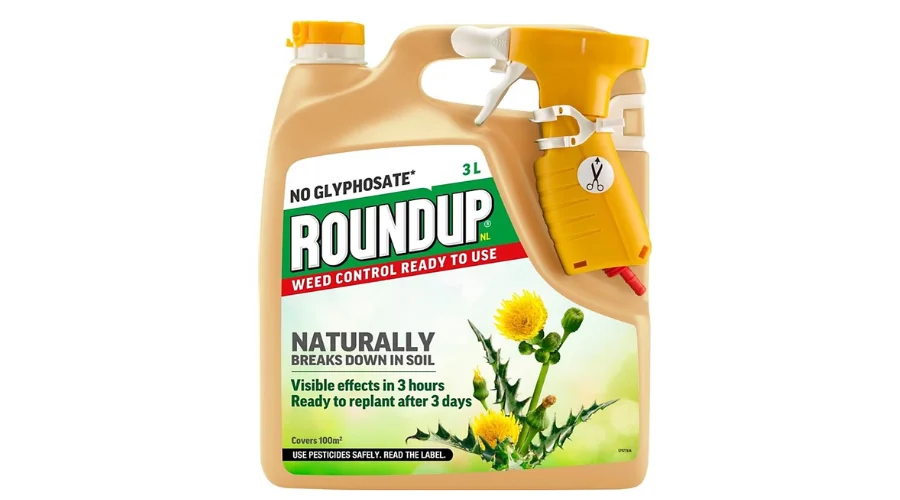
Roundup Natural Weed Control offers a glyphosate-free solution with a 100% natural active ingredient, making it an eco-friendly choice for weed management. Its ready-to-use 3L bottle is convenient, delivering visible results in just one hour and fully dead weeds within 24 hours. Rain-fast in three hours, it’s reliable even in unpredictable weather. Ideal for quick garden cleanups, it allows replanting or reseeding soon after, though its fast action may require careful application around desired plants.
2. WEEDI Bio Weed Killer Review
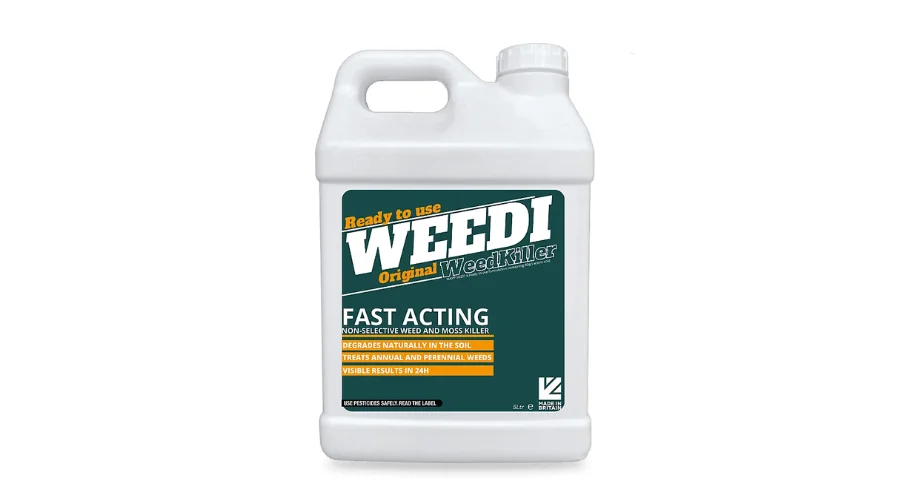
WEEDI Bio Weed Killer (5L) is a glyphosate-free, biodegradable option tailored for home gardeners, earning the “Pet Owners 1st Choice” award. Safe for pets once dry, it’s perfect for households with dogs and cats. This fast-acting formula shows results within 24 hours and leaves no residue on artificial grass, patios, or gravel. Easy to use year-round, it degrades naturally in soil, offering an earth-friendly solution. However, its broad application might need precision to avoid overspray.
3. YouGarden Strulch Mulch and Compost Review
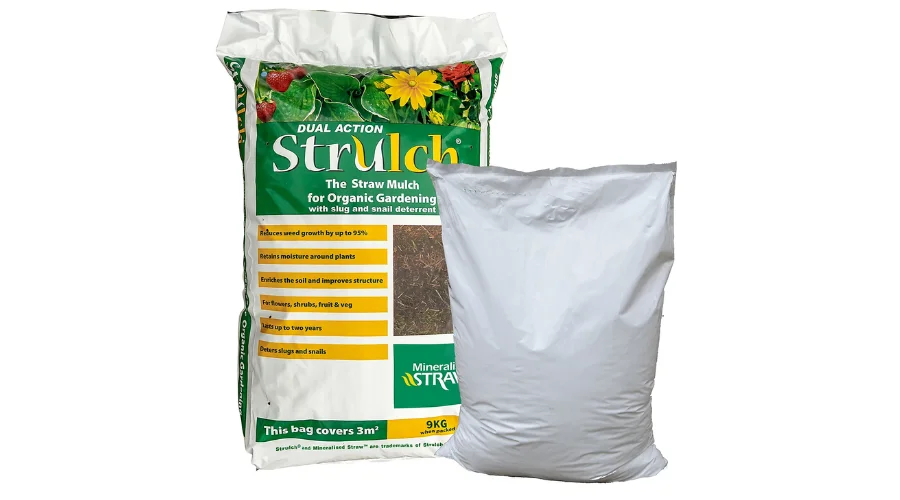
YouGarden’s Strulch Mulch (9kg) and Premium Professional Compost (40L) combo provides an organic alternative to chemical weed killers. The mineral-rich mulch reduces weed growth by up to 95% while deterring slugs and snails naturally. Paired with high-quality compost, it gives plants a strong start. This duo is perfect for low-maintenance gardening, though the mulch’s weight and compost volume may require extra effort to apply evenly across larger areas.
4. EcoValley Natural Weed Killer Spray Review
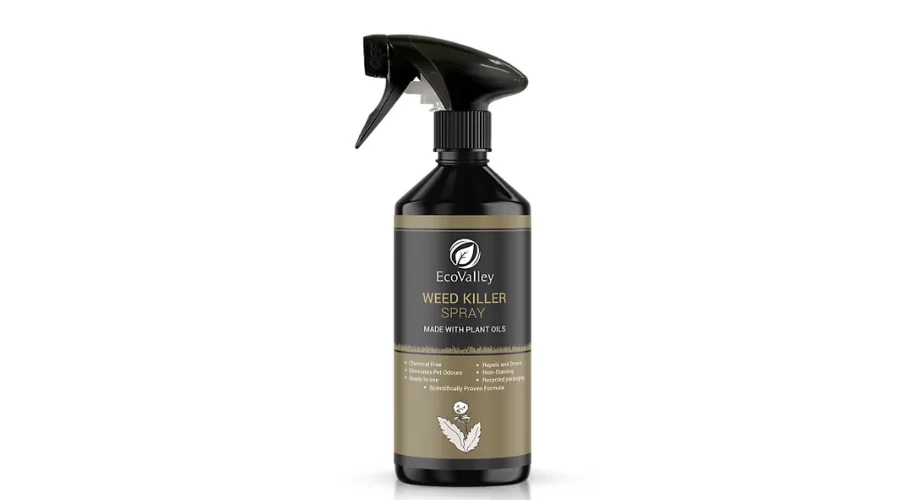
EcoValley’s 500ml Natural Weed Killer Spray is a pet-friendly, eco-conscious choice with rapid weed-killing action. Made from naturally derived ingredients, it’s safe for use around furry companions and versatile enough for patios, driveways, and gardens. Visible results appear shortly after application, keeping outdoor spaces pristine. While its smaller size suits spot treatments, larger areas might demand multiple bottles, making it less cost-effective for extensive weed control.
Conclusion
Learning to reduce weeds through natural procedures is a change of mind from complete removal to maintenance. By using several methods together—physical removal, homemade solutions, and preventive measures—one can create a garden that is a source of leisure, without exposure to harmful chemicals. These recycled and organic applications save not only the garden but also support environmental health generally which is vital to the sustainability of the ecosystem. You can easily find the best organic Natural weed control solutions at DIY and provide deep control in your garden!
For more ideas on garden care, visit Feedhour.
FAQs